Signs of Tooth Decay (2026): What Are the Early Warnings and When to See a Dentist?

Quick answer
Early signs of tooth decay often include tooth sensitivity, mild pain when consuming sweet, hot, or cold foods, and visible white or dark spots on the teeth. As the decay progresses, it can lead to persistent toothaches, visible pits, and bad breath. Anyone experiencing these symptoms should consult a dentist for a proper diagnosis and treatment.
Check the official price: DentaVive →Understanding Tooth Decay and Its Causes
Tooth decay is a progressive condition that occurs when the hard, protective outer layer of the teeth, known as enamel, is compromised and gradually destroyed. This process typically begins when bacteria naturally present in the mouth mix with saliva and food particles to form a sticky film called plaque. When individuals consume foods and beverages high in sugars and starches, the bacteria in the plaque feed on these carbohydrates and produce acids as a byproduct.
These acids remain trapped against the surface of the teeth by the plaque, leading to a continuous acid attack that strips the enamel of essential minerals like calcium and phosphate. Over time, this demineralization weakens the enamel, creating microscopic vulnerabilities. If the demineralization outpaces the mouth's natural remineralization process, the enamel eventually collapses, forming permanent damage known as a cavity.
Maintaining a balanced oral environment is a subject of ongoing scientific research. While traditional oral hygiene focuses on removing as much bacteria as possible, some studies suggest that introducing specific beneficial bacteria may help. For example, a 2013 randomized placebo-controlled study found that Lactobacillus reuteri probiotics had positive clinical and microbiological effects in chronic periodontitis [1].
Early and Advanced Signs of Tooth Decay
Recognizing the signs of tooth decay early is crucial for preventing more extensive and irreversible damage. In the very initial stages, tooth decay often does not cause any noticeable symptoms or pain. However, as the decay begins to affect the enamel, individuals might notice chalky white spots on the surface of the teeth. These spots indicate areas of mineral loss and are often the first visual warning that decay is occurring.
As the decay progresses deeper into the tooth and reaches the dentin, the softer layer beneath the enamel, more obvious signs emerge. Tooth sensitivity is a highly common indicator, often presenting as a mild to sharp pain when eating or drinking something sweet, hot, or cold. Individuals may also experience pain when biting down on food. Visible pits, dark brown spots, or actual holes in the teeth may become apparent to the naked eye.
Advanced tooth decay can cause persistent, severe toothaches that occur spontaneously without any apparent trigger. This happens when the decay reaches the inner pulp of the tooth, which contains nerves and blood vessels, leading to infection and inflammation. Additionally, decaying teeth and compromised oral health can contribute to chronic bad breath, also known as halitosis. According to the Cleveland Clinic, poor dental hygiene and untreated cavities are common sources of bad breath [3].
The Role of Oral Hygiene and Professional Care
Addressing and preventing the signs of tooth decay requires a strict combination of daily at-home oral hygiene and professional dental care. Dental consensus strongly recommends brushing teeth at least twice a day using a fluoride toothpaste, as fluoride helps remineralize weakened enamel. Flossing daily is equally important to remove plaque and food particles from between the teeth and along the gumline, areas where a toothbrush cannot easily reach.
Regular dental check-ups and professional cleanings are essential components of oral care. A dentist can identify early signs of decay using specialized tools and X-rays long before the decay becomes painful or visible to the patient. Early intervention allows for simpler and less invasive treatments, such as fluoride varnishes or small fillings.
If symptoms such as persistent pain, bleeding gums, severe sensitivity, or visible holes occur, it is imperative to see a dental professional immediately. Only a qualified dentist can accurately diagnose the extent of tooth decay and provide the necessary medical treatments, which may include fillings, crowns, root canals, or extractions. Supplements and probiotics do not replace the need for mechanical plaque removal or professional dental interventions.
Can Oral Probiotics Help with Gum and Dental Health?
In recent years, the use of oral probiotics has been studied for its potential role in supporting overall gum health. The mouth houses a complex microbiome, and researchers are exploring how specific probiotic strains might influence oral conditions. Studies suggest that certain probiotics may help with periodontitis and gingivitis [1, 2].
A 2016 randomized controlled trial investigated the effects of probiotics on pregnant women, a demographic highly susceptible to gum issues due to hormonal changes. The study found that the regular consumption of lozenges containing Lactobacillus reuteri reduces pregnancy gingivitis [2].
While these studies focus primarily on gum inflammation rather than the direct reversal of cavities, managing the overall bacterial balance in the mouth remains a key area of dental research. It is important to note that while studies suggest probiotics may help with periodontitis and gingivitis [1, 2], they are not a cure for active tooth decay or a substitute for professional cavity treatment.
Exploring DentaVive for Oral Care
For individuals looking into oral care supplements to complement their daily routine, DentaVive is an oral care supplement sold in packages of two, three, or six bottles. A six-bottle package costs $294 total, which breaks down to $49 per bottle, and includes free shipping. A three-bottle package costs $177 total ($59 per bottle), while a two-bottle package costs $128 total ($64 per bottle). All multi-bottle packages include three free bonuses, and the product comes with a 60-day money-back guarantee that accepts the return of empty bottles.
Several users report significant changes after using DentaVive [4]. Margaret from Toledo says that after struggling with bleeding gums for fifteen years, they stopped bleeding completely within just two weeks, and her dentist could not believe the transformation [4]. Another customer, Robert from Cincinnati, says he was told he needed $15,000 worth of dental work, including root canals, crowns, and possible implants. He reports that after three months, his dentist said the work was no longer necessary and his teeth had actually gotten stronger [4].
Janet from Phoenix, age 67, says she was told she needed $12,000 worth of dental work and that her gums were so bad she could not eat anything crunchy. She reports that after just six weeks, her gums stopped bleeding completely, and after three months, her dentist said she no longer needed the expensive procedures, allowing her to save thousands of dollars and get her life back [4]. Carlos from Miami, who has Type 2 diabetes, says his doctor noted his gum disease was making his blood sugar worse. He reports that within six weeks of using DentaVive, not only did his gums heal, but his A1C levels improved too, prompting his doctor to ask what he was doing differently [4].
Our recommendation
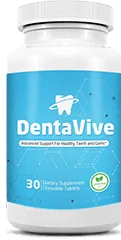
Anyone experiencing signs of tooth decay should prioritize a visit to a qualified dentist, as untreated cavities require professional medical intervention. For individuals interested in supplementing their daily oral hygiene routine to support gum health, DentaVive presents an option backed by a 60-day refund policy. Several users report avoiding expensive dental procedures and healing bleeding gums after using DentaVive [4], and studies suggest that specific probiotics may help with periodontitis and gingivitis [1, 2]. However, anyone facing major dental work should always seek a second opinion from a dentist rather than relying solely on a supplement.
Check the official price: DentaVive →Some links on this site are affiliate links. If you buy through them we may earn a commission, at no extra cost to you. It never changes our verdict.
Frequently asked questions
Can tooth decay be reversed in its early stages?
In its very early stages, when only white spots are visible, tooth decay can sometimes be stopped or reversed through remineralization. Dentists often recommend fluoride treatments and improved daily hygiene to help restore the enamel before a cavity fully forms.
Does bad breath always mean I have tooth decay?
Not always, but the Cleveland Clinic notes that bad breath can be caused by poor dental hygiene and untreated cavities [3]. Other causes include dry mouth, certain foods, or underlying medical conditions, so a dental evaluation is recommended.
Are oral probiotics a replacement for brushing and flossing?
No, oral probiotics do not replace daily brushing, flossing, or regular dental visits. While studies suggest certain probiotics may help with periodontitis and gingivitis [1, 2], mechanical removal of plaque remains essential for preventing tooth decay.
How long does it take for a cavity to form?
The progression of tooth decay varies from person to person and can take months or even years to develop into a visible cavity. Regular dental check-ups are crucial because a dentist can detect decay long before it causes pain or visible holes.
References
- Clinical and microbiological effects of Lactobacillus reuteri probiotics in chronic periodontitis: a randomized placebo-controlled study (J Clin Periodontol, 2013)
- Regular consumption of Lactobacillus reuteri-containing lozenges reduces pregnancy gingivitis: an RCT (J Clin Periodontol, 2016)
- Bad Breath (Halitosis), Cleveland Clinic
- Customer testimonials, DentaVive official site
Related reviews
- DentaVive vs ProvaDent Review (2026): Which Oral Probiotic Is Better?
- DentaVive Review (2026): Does It Really Work?
- Home Remedies for Gingivitis (2026): What Actually Works?
- How to Avoid Cavity (2026): What Actually Works?
- How To Stop Bleeding Gums (2026): Causes, Treatments, and Probiotics
- Oral Probiotics (2026): Do They Really Work?