How To Stop Bleeding Gums (2026): Causes, Treatments, and Probiotics

Quick answer
To stop bleeding gums, dental professionals recommend consistent brushing, daily flossing, and regular dental cleanings to remove plaque and tartar. Clinical studies also suggest that certain oral probiotics may help reduce symptoms of gingivitis and chronic periodontitis [1, 2]. Anyone experiencing persistent bleeding should consult a dentist to rule out severe conditions.
Check the official price: DentaVive →Understanding Why Gums Bleed
Bleeding gums are a common issue that often points to the accumulation of plaque along the gumline. Plaque is a sticky, colorless film of bacteria that constantly forms on the teeth. If it is not removed through daily brushing and flossing, it hardens into calculus, commonly known as tartar, which can only be safely removed by a dental professional. The presence of plaque and tartar irritates the sensitive gum tissue, leading to an inflammatory response. This inflammation causes the gums to become red, swollen, and prone to bleeding during routine brushing or flossing. This early stage of gum disease is known medically as gingivitis.
If gingivitis is left unaddressed, the inflammation can progress deeper into the tissues, developing into periodontitis. Periodontitis is a more severe form of gum disease that affects the periodontal ligaments and the alveolar bone supporting the teeth. As the bone and tissue are destroyed, pockets form between the teeth and gums, trapping even more bacteria. According to the Cleveland Clinic, poor oral hygiene and the resulting accumulation of bacteria can also contribute to chronic bad breath, or halitosis [3]. Addressing the root cause of the bleeding is essential to maintaining overall oral health, preserving the teeth, and preventing further systemic complications.
Daily Habits to Improve Gum Health
For those wondering how to stop bleeding gums, the first and most crucial step is establishing a rigorous and consistent daily oral hygiene routine. Dental consensus recommends brushing teeth at least twice a day using a soft-bristled toothbrush and a fluoride toothpaste. Brushing should be done gently in circular motions, ensuring that the bristles reach the area where the teeth meet the gums. Aggressive brushing with a hard-bristled toothbrush can actually cause mechanical trauma, leading the gums to bleed and eventually recede over time.
Flossing daily is equally important, as it mechanically removes plaque and food particles from the tight spaces between the teeth and under the gumline where a standard toothbrush simply cannot reach. When starting a new flossing routine, minor bleeding may occur as the inflamed gums react to the disruption of plaque, but this typically subsides after a few days of consistent practice. Drinking plenty of water throughout the day also helps wash away loose food debris and dilutes the bacterial acids in the mouth. Limiting the intake of sugary and acidic foods can further reduce the fuel available for plaque-forming bacteria. Regular visits to a dentist for professional cleanings and comprehensive checkups are crucial, as they allow for the complete removal of hardened tartar and the early detection of potential periodontal issues.
The Role of Oral Probiotics in Gum Health
Beyond standard oral hygiene practices, researchers have investigated the potential of oral probiotics. A 2013 randomized placebo-controlled study published in the Journal of Clinical Periodontology found that the clinical and microbiological effects of Lactobacillus reuteri probiotics may help individuals dealing with chronic periodontitis [1].
Furthermore, hormonal fluctuations can make the gums more susceptible to the inflammatory effects of plaque, leading to a specific condition known as pregnancy gingivitis. A 2016 randomized controlled trial investigated this issue and found that the regular consumption of lozenges containing Lactobacillus reuteri reduces pregnancy gingivitis [2]. These studies suggest that certain probiotics may help manage gum inflammation [1, 2]. However, it is important to note that probiotics do not replace the mechanical removal of plaque achieved through regular brushing, flossing, and professional dental care.
When to See a Professional
While improving daily oral hygiene is a critical step in learning how to stop bleeding gums, home care is not always sufficient on its own. If gums continue to bleed despite weeks of consistent brushing and flossing, it is time to schedule an appointment with a dental professional. Persistent bleeding can be a primary sign of advanced gum disease, specific vitamin deficiencies, or other underlying health conditions that require targeted medical intervention.
Additionally, if bleeding gums are accompanied by chronic bad breath, localized pain, loose teeth, or visibly receding gums, a professional evaluation is absolutely necessary. The Cleveland Clinic notes that bad breath can be directly linked to gum disease and the excessive buildup of bacteria in the oral cavity [3]. A dentist can accurately diagnose the underlying issue by measuring the depth of the periodontal pockets, provide a thorough deep cleaning such as scaling and root planing, and recommend a personalized, long-term treatment plan.
Addressing Bleeding Gums with DentaVive
For individuals exploring oral care supplements alongside their hygiene routine, DentaVive is a product that is sold in packages of two, three, or six bottles. A six-bottle package costs $294 total, which breaks down to $49 per bottle, and includes free shipping. A three-bottle package is available for $177 total, or $59 per bottle, while a two-bottle package costs $128 total, or $64 per bottle. All multi-bottle packages include three free bonuses. The product comes with a 60-day money-back guarantee that accepts the return of empty bottles.
Several users report positive outcomes regarding their gum health and dental visits. Margaret, a customer from Toledo, says: "After struggling with bleeding gums for fifteen years, they stopped bleeding completely within just two weeks. My dentist couldn't believe the transformation" [4]. Another user, Robert from Cincinnati, says: "I was told I needed $15,000 worth of dental work - root canals, crowns, possible implants. After three months, my dentist said the work was no longer necessary. My teeth had actually gotten stronger" [4].
Janet, a 67-year-old customer from Phoenix, says: "I was told I needed $12,000 worth of dental work. My gums were so bad I couldn't eat anything crunchy. After just 6 weeks, my gums stopped bleeding completely. After 3 months, my dentist said I no longer needed the expensive procedures. I saved thousands of dollars and got my life back" [4]. Carlos, a Type 2 Diabetic from Miami, says: "My doctor said my gum disease was making my blood sugar worse. Within 6 weeks, not only did my gums heal, but my A1C levels improved too. My doctor wants to know what I'm doing differently" [4].
Our recommendation
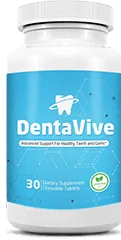
DentaVive is an oral care supplement that comes with a strong 60-day refund policy and bulk purchasing options. Several users report avoiding expensive dental procedures and healing bleeding gums [4], and studies suggest certain probiotics may help with periodontitis and gingivitis [1, 2]. However, anyone facing major dental work should always seek a second opinion from a qualified dentist rather than relying solely on a supplement. Persistent bleeding gums require a professional evaluation to address underlying plaque buildup and prevent advanced gum disease.
Check the official price: DentaVive →Some links on this site are affiliate links. If you buy through them we may earn a commission, at no extra cost to you. It never changes our verdict.
Frequently asked questions
Why do my gums bleed when I brush my teeth?
Gums typically bleed during brushing due to the buildup of plaque along the gumline, which causes inflammation known as gingivitis. If plaque is not removed through consistent oral hygiene, the gums become red, swollen, and prone to bleeding.
Can oral probiotics help stop bleeding gums?
Studies suggest that specific oral probiotics, such as Lactobacillus reuteri, may help reduce symptoms of chronic periodontitis and pregnancy gingivitis [1, 2]. However, probiotics should be used alongside daily brushing, flossing, and professional dental cleanings.
How long does it take to stop bleeding gums with better hygiene?
When starting a new routine of daily flossing and gentle brushing, minor bleeding may occur but typically subsides after a few days as the inflammation decreases. If the bleeding persists for several weeks, it is important to consult a dentist.
Is bad breath related to bleeding gums?
Yes, the Cleveland Clinic notes that bad breath, or halitosis, can be linked to gum disease and the accumulation of bacteria in the mouth [3]. Addressing the bacterial buildup through proper hygiene can help improve both conditions.
When should I see a dentist for bleeding gums?
You should see a dentist if your gums continue to bleed despite practicing good oral hygiene, or if you experience accompanying symptoms like loose teeth, receding gums, or chronic pain. A professional can remove hardened tartar and diagnose any severe underlying conditions.
References
- Clinical and microbiological effects of Lactobacillus reuteri probiotics in chronic periodontitis: a randomized placebo-controlled study (J Clin Periodontol, 2013)
- Regular consumption of Lactobacillus reuteri-containing lozenges reduces pregnancy gingivitis: an RCT (J Clin Periodontol, 2016)
- Bad Breath (Halitosis), Cleveland Clinic
- Customer testimonials, DentaVive official site
Related reviews
- DentaVive vs ProvaDent Review (2026): Which Oral Probiotic Is Better?
- DentaVive Review (2026): Does It Really Work?
- Signs of Tooth Decay (2026): What Are the Early Warnings and When to See a Dentist?
- Home Remedies for Gingivitis (2026): What Actually Works?
- How to Avoid Cavity (2026): What Actually Works?
- Oral Probiotics (2026): Do They Really Work?